⚡ TL;DRI have been running Hermes Agent and OpenClaw side by side as part of my own AI operating environment. Both are useful, but they are not solving the same problem.
- The short version
- Decision matrix
- Where Hermes works well
- Where OpenClaw works well
- The architecture lesson
I have been running Hermes Agent and OpenClaw side by side as part of my own AI operating environment. Both are useful, but they are not solving the same problem.
This is not a benchmark. It is a field note from wiring agents into infrastructure, messaging platforms, content workflows, analytics, and day-to-day technical operations.
The short version
Hermes Agent is strongest as the operator cockpit. It gives me one place to use tools, memory, files, browser automation, scheduled jobs, and direct system execution.
OpenClaw is strongest as a gateway and multi-agent runtime pattern. It works well when the workflow involves Discord, WhatsApp, delegated workers, and routing work between specialized agents.
I do not see them as mutually exclusive. Hermes is where I operate. OpenClaw is where I experiment with distributed agent surfaces and gateway patterns.
Decision matrix
- Personal operations: Hermes Agent
- Direct system actions: Hermes Agent
- Scheduled automation: Hermes Agent
- Messaging gateway experiments: OpenClaw
- Multi-agent routing: OpenClaw
- Operational visibility: Hermes currently feels easier to inspect end-to-end
Where Hermes works well
Hermes is effective when a task needs tool access and continuity. It can inspect files, run commands, create cron jobs, use browser automation, generate documents, and keep enough memory to avoid re-explaining the environment every time.
That makes it suitable for personal operations: maintaining this blog, checking analytics, creating proposals, updating infrastructure, writing automation, and coordinating small technical workflows.
Where OpenClaw works well
OpenClaw is useful when the problem involves multiple agents and external messaging surfaces. The gateway model works well for routing work between Discord, WhatsApp, and background workers.
The trade-off is observability. Once work is delegated agent-to-agent, I need a reliable way to see progress, failures, and intermediate state. Without that, the system can feel like a black box.
The architecture lesson
The important question is not which agent framework is better. The better question is: where should orchestration live, and how much operational visibility do you need?
For production-style agent systems, I care about identity, audit trail, permissions, secrets handling, retries, observability, and rollback. Fancy model output is secondary if the operating model is weak.
My current view
I would use Hermes as the principal operator interface for personal and technical workflows. I would use OpenClaw where messaging gateways and multi-agent delegation are the core requirement.
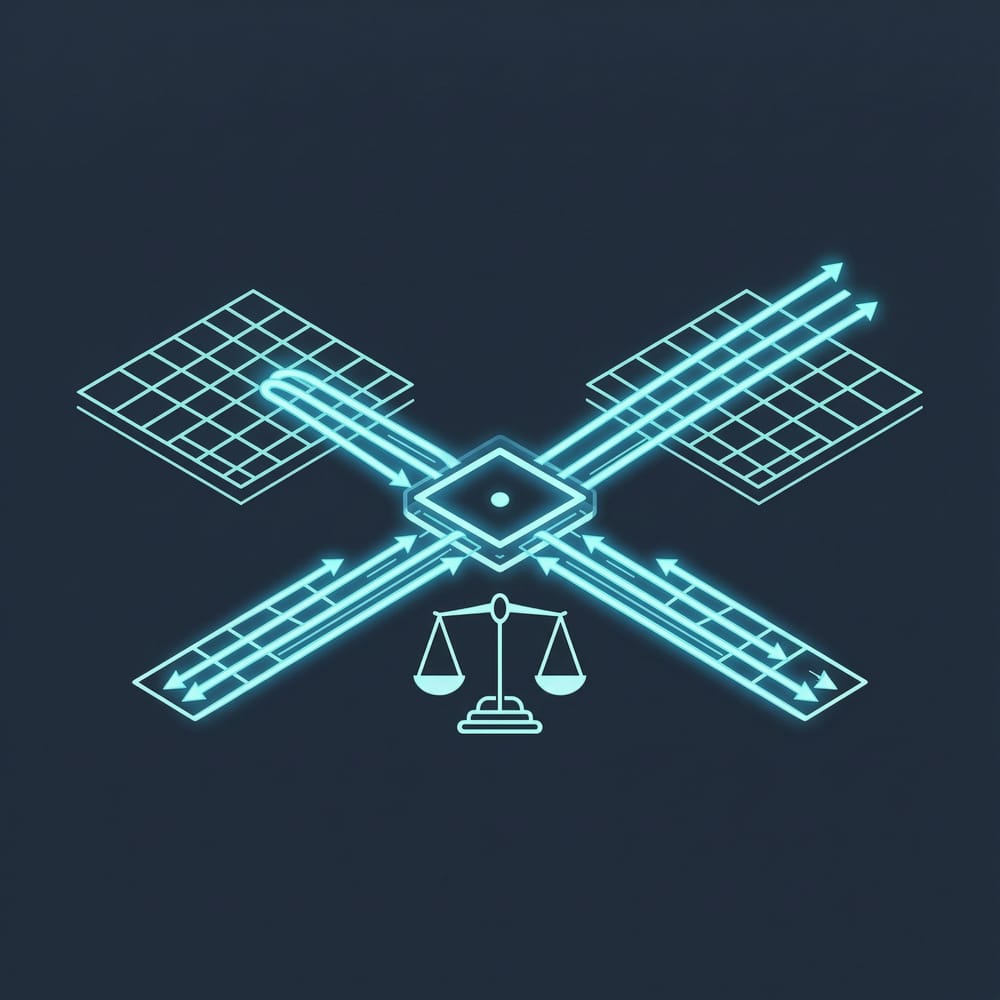
The long-term direction is a hub-and-spoke model: one orchestrator, specialized workers, clear task ownership, and all results flowing back through the orchestrator.
That is the pattern I am building toward: practical AI agents that help with real cloud and architecture work, not just demos.